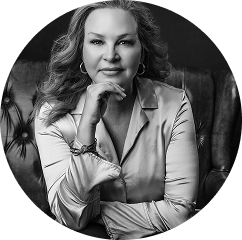

By Janine Thomson - Victoria Realtor | Pemberton Holmes
Originally published March 26, 2026 · Updated September 27, 2026
Buying your first home in Greater Victoria can feel like learning a new language while making one of the largest financial decisions of your life. There are mortgage terms to understand, homes to compare, documents to review, and dates you cannot afford to miss.
You do not have to figure it all out at once. Here is the process in eight manageable steps, from setting your budget to getting the keys.
Step 1: Understand your budget and get pre-approved
Before you focus on listings, speak with a mortgage broker or lender. They can review your income, employment, debts, credit history, and the amount and source of your down payment.A mortgage pre-approval gives you an estimate of what you may qualify to borrow. It may also include a temporary interest-rate hold. It is a useful starting point, but it is not a guarantee of final financing. Your lender will still need to review the property you choose and confirm your financial information.
Ask your mortgage professional to show you the monthly cost at several purchase prices, rather than concentrating only on the maximum you might qualify for. Include property tax, insurance, utilities, and strata fees if you are considering a condo or townhouse. Leave room for savings and unexpected expenses.
This is also a good time to ask about the minimum down payment, mortgage default insurance if you plan to put less than 20% down, and whether a 25- or 30-year amortization is available and appropriate for you.
Step 2: Learn which buyer programs may apply
Before you set your search ceiling, find out whether you qualify for programs that could affect your savings or closing costs.Depending on your circumstances and the property, these may include the First Home Savings Account (FHSA), the RRSP Home Buyers’ Plan, B.C.’s First Time Home Buyers’ Property Transfer Tax exemption, or the federal first-time home buyers’ GST/HST rebate for a qualifying new home. A qualifying newly built home may also be eligible for B.C.’s separate property transfer tax exemption.
These programs have different definitions of a first-time buyer and different timing rules. Some reduce tax; others let you use money you have saved. Do not assume their advertised maximums are cash grants or that you qualify for every program.
My First-Time Home Buyers Guide for Greater Victoria explains the current programs and links to the government eligibility pages. Confirm any benefit you intend to use with the appropriate agency and your mortgage, tax, or legal professional.
Step 3: Decide what you need in a home
Now you can build a search around both your finances and your day-to-day life.Start with your must-haves: perhaps two bedrooms, wheelchair access, parking, a pet-friendly strata, a manageable commute, or room to work from home. Then separate preferences you could trade for a better location or price.
Think about the total cost of ownership, too. Two condos with the same asking price can have different strata fees, insurance considerations, parking arrangements, and expected repairs. A lower listing price does not automatically mean a less expensive home to own.
Depending on your priorities, your search might include Victoria, Saanich, Esquimalt, View Royal, Colwood, Langford, Sidney, or another part of Greater Victoria. Visiting neighbourhoods at different times of day can help you judge the commute, noise, and feel of an area.
Step 4: Choose your representation and start viewing
A real estate professional should explain whom they represent before providing trading services. In B.C., the Disclosure of Representation in Trading Services is a required disclosure; it is separate from a buyer service agreement. You should also understand what services your Realtor will provide and how their brokerage may be paid.At an open house or a builder’s sales office, ask whom the person you are speaking with represents before seeking advice about your own negotiating position.
As you tour properties, look beyond the photos. Consider layout, natural light, condition, storage, parking, and potential future expenses. For strata homes, the bylaws, financial records, insurance information, meeting minutes, and Form B can be just as important as the finishes inside the unit.You do not need to love every home you view. Each visit can make your priorities clearer.
Step 5: Write an offer that reflects your needs
When you find a home you want to buy, your offer will typically be prepared in writing using a Contract of Purchase and Sale. It sets out more than the price.Key terms may include:
- The purchase price and deposit;
- When the deposit must be paid;
- The dates for removing conditions, completing the purchase, and taking possession;
- What is included in the sale; and
- Any conditions, often called subjects, that you need to investigate before committing to a firm purchase.
An accepted offer is a contract, even when it contains subjects. Take the time to understand what you are agreeing to before you sign.
Step 6: Complete your due diligence
If the seller accepts your conditional offer, use the subject period actively. Arrange the inspection, work with your lender toward final financing approval, check that insurance is available on acceptable terms, and have title and other relevant documents reviewed.For a condo or townhouse, read the strata material carefully. That can include the Form B, bylaws, financial statements, budget, meeting minutes, depreciation report if available, and insurance information. Pay attention to planned work, special levies, rules that affect your use of the property, and questions that remain unanswered.
A home inspection can identify visible concerns and help you decide whether further specialist advice is needed. It cannot guarantee that a property has no hidden defects.
If a concern comes up, your options depend on the wording of your contract and the time remaining. You might seek more information, request an amendment that the seller is free to accept or decline, or decide whether you can remove your subjects. Discuss those choices before the deadline.
Your offer also sets the deposit amount and due date. Depending on the agreed terms, it may be due after acceptance or on subject removal.
A deposit held in a brokerage trust account is generally credited toward the purchase price on completion.
What about the three-day rescission period?
For most eligible residential purchases in B.C., a buyer has three business days after offer acceptance to rescind the contract, subject to a fee of 0.25% of the purchase price. Some transactions are exempt. The rescission period and any subject period can run at the same time.The rescission right is a separate legal protection; it is not a replacement for financing, inspection, or other appropriate subjects. Ask about the deadlines and fees before making your offer.
Step 7: Prepare for completion
Once you have removed your subjects, keep working closely with your lender and your lawyer or notary. Your legal professional will prepare the transfer documents, confirm the funds required, account for adjustments, and arrange registration.Budget for costs beyond your down payment. These may include legal or notary fees, a home inspection, insurance, adjustments, and B.C. property transfer tax on any amount an exemption does not cover. GST may also apply to a newly built or substantially renovated home; an eligible first-time buyer rebate may reduce that cost.Confirm the actual amount you need to provide and when cleared funds must reach your lawyer or notary. Do not make large new purchases or change your financing arrangements before completion without checking with your mortgage professional.
On the completion date, the legal and financial steps are finalized and title is registered. The date you receive the keys is the possession date specified in your contract. Those dates are often close together, but they are not necessarily the same day.
Step 8: Take possession and settle in
Before moving day, arrange utilities, confirm your insurance takes effect when needed, and make a plan for the move. Your Realtor will coordinate access in accordance with the possession terms of the contract.Once you have the keys, keep copies of your purchase documents and make a realistic plan for maintenance. If you bought a strata home, learn how to access notices, pay your strata fees, and stay informed about meetings and upcoming work.
Your first home does not have to be your forever home. The goal is to choose a property that suits your life and finances now, with a clear understanding of what it takes to own it.
Start with a conversation
You can begin planning before you are ready to write an offer. A conversation about your budget, preferred neighbourhoods, and questions can help turn a complicated process into a series of decisions you understand.If you are considering your first home in Victoria or elsewhere in Greater Victoria, I would be happy to help you build a search around your priorities and connect you with the right professionals along the way.
Janine Thomson, REALTOR® · Pemberton Holmes
778-678-5466
This article provides general information as of September 27, 2026. Contract terms, lending decisions, costs, and program eligibility depend on the individual purchase. Seek advice from your mortgage professional and B.C. lawyer or notary before relying on them.
