

A Practical Guide to Home Repairs, Presentation and Pre-Listing Preparation
Greater Victoria & Vancouver Island Real Estate
Selling a home often begins with one important question: What should I fix before putting my home on the market?
For homeowners in Victoria, BC, the answer depends on the age and condition of the property, the neighbourhood, the type of home, current market conditions and the expectations of likely buyers.
A newer Langford townhome may require only cleaning, touch-ups and minor maintenance. An older character home in Fairfield, Oak Bay or Fernwood may benefit from additional attention to moisture, electrical systems, plumbing and past renovations. A rural property in Sooke, Metchosin or North Saanich may involve wells, septic systems, drainage or outbuildings. A condominium seller may have relatively few interior repairs but still needs to understand whether building maintenance, insurance or an upcoming special levy could affect buyer confidence.
The objective is not to make your home perfect. Most buyers understand that a resale property will show some age and normal wear. The goal is to remove unnecessary distractions, address obvious defects and help buyers feel confident that the home has been responsibly maintained.Spending money without a strategy can be just as costly as failing to prepare. Before beginning major work, review my complete guide to preparing your home for sale in Victoria, BC.
It covers decluttering, cleaning, repairs, staging, curb appeal, photography and the practical steps that help a property make a stronger first impression.
Why Repairs Matter Before Listing a Victoria Home
Buyers often make decisions quickly.Their first encounter with your home may happen through listing photographs viewed on a phone or computer. Their second impression forms when they arrive outside, and their third occurs within moments of entering the front hall.
A single minor defect is unlikely to determine whether someone buys a home. A collection of neglected details can create a very different reaction.
A dripping faucet, cracked caulking, peeling paint, damaged trim, loose cabinet hardware and several burnt-out light bulbs may cause buyers to wonder what other maintenance has been postponed. Once that doubt begins, buyers may look at the property more critically, discount its perceived value or prepare a lower offer to account for unknown repairs.
Preparation is especially important when buyers have several comparable homes from which to choose. In a market with more inventory, condition and presentation can influence whether buyers return for a second showing or move on to another property.For current context on inventory, pricing and buyer activity, review my regularly updated Victoria real estate market statistics.
Begin With a Pre-Listing Assessment
Before hiring contractors or purchasing renovation materials, walk through your home with the mindset of a buyer.Start at the curb. Look at the roofline, driveway, garden, exterior paint, gutters and front entrance. Enter through the door buyers will use, rather than the entrance your family normally uses. Walk slowly through each room and notice what immediately draws your eye.
Open doors and cupboards. Operate the windows. Turn on every light. Run the faucets. Flush the toilets. Look under sinks. Check corners, ceilings and window frames for staining or condensation.It can be difficult to assess a home objectively when you have lived there for years. You may no longer notice a sticking door, a scuffed wall or a cracked bathroom tile because it has become part of the background.
A professional pre-listing consultation can help you distinguish between work that may improve the sale and work that is unlikely to produce a meaningful return. Begin with a complimentary Victoria home evaluation so the property’s condition can be considered alongside neighbourhood sales, competing listings and your likely buyer demographic.
Fix Active Water Leaks First
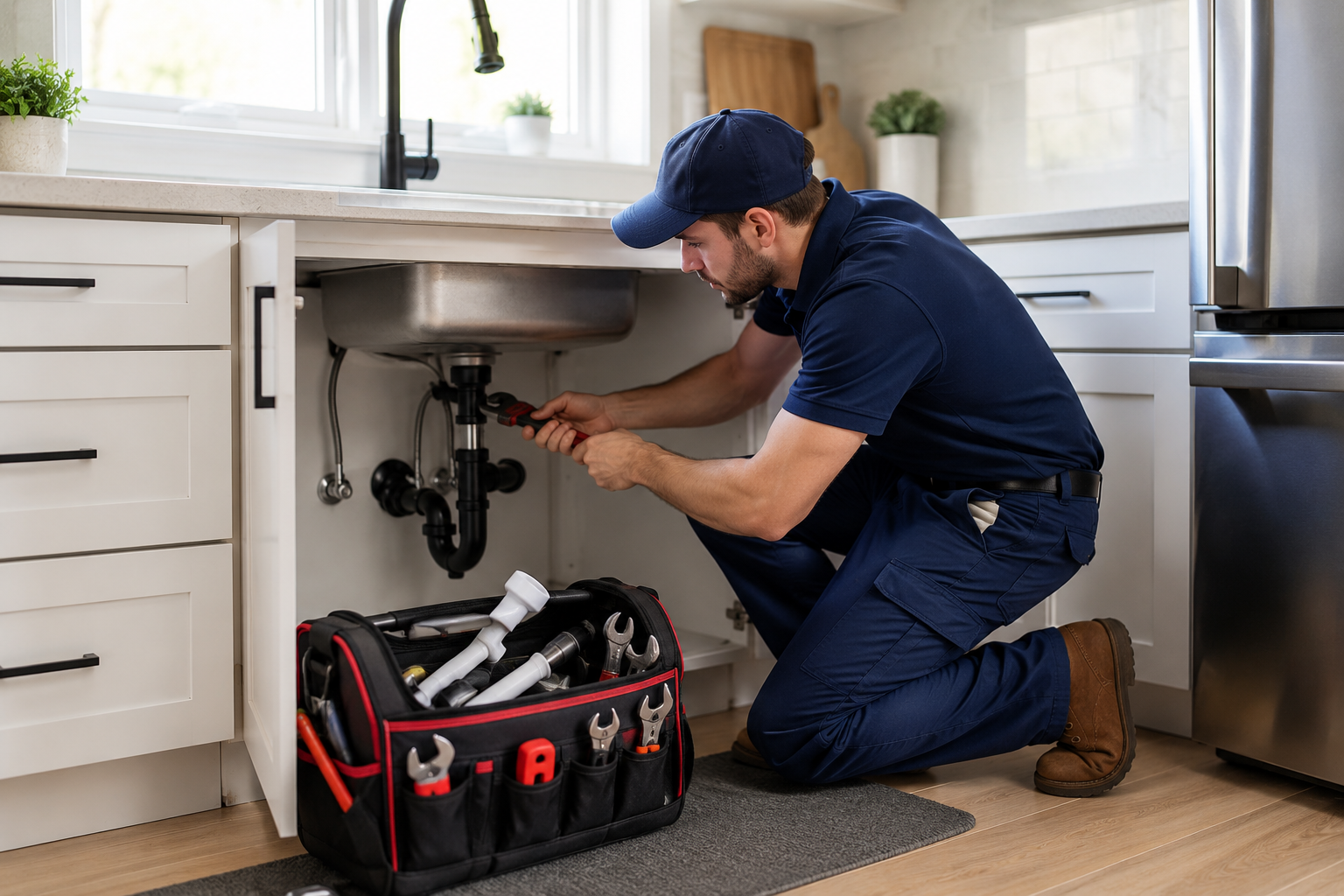
Water-related defects deserve prompt attention because they can lead to larger concerns involving rot, mould, damaged finishes and insurance.Inspect the visible plumbing around:
- Kitchen and bathroom sinks
- Toilets
- Showers and bathtubs
- Dishwashers
- Washing-machine connections
- Hot-water tanks
- Exterior hose connections
A minor plumbing repair completed before listing may be inexpensive. Left unresolved, the same issue may become a focal point during a showing or home inspection.
Victoria’s coastal climate makes moisture management particularly important. Buyers and inspectors often look closely at bathrooms, crawlspaces, basements, attics, windows and exterior drainage. A musty smell or unexplained water stain may create more concern than the actual defect warrants because buyers cannot immediately determine whether the problem is old, active or concealed.
Do not simply paint over water stains. Identify the source, complete the necessary repair and retain documentation where practical.
Repair Damaged Drywall, Trim and Interior Paint
Walls occupy a large portion of every listing photograph. Small defects can therefore have a disproportionate effect on the overall presentation.Patch visible nail holes, dents, damaged corners and drywall cracks. Repair or replace broken baseboards, door casings and transition strips. Touch up chipped paint where the existing colour can be matched successfully.
If walls are heavily marked, strongly coloured or inconsistent from room to room, repainting may be worthwhile. Neutral, coordinated colours generally make it easier for buyers to focus on the space, natural light and layout.This does not mean every home must be painted grey or white. Warm neutrals and soft natural colours can work well when they complement the flooring, cabinetry and architecture.
Pay particular attention to entrance halls, stairways, kitchens and main living areas because these spaces appear frequently in marketing photographs and shape a buyer’s initial impression.
Make Every Door, Handle and Window Work Properly
Buyers notice components they physically operate.A bedroom door that will not close, a loose doorknob or a stiff patio slider may seem minor to an owner, but it interrupts the showing experience and can suggest deferred maintenance.
Before listing, check that:
- Interior and exterior doors open and close smoothly
- Door handles are secure
- Locks operate correctly
- Closet doors remain on their tracks
- Cabinet doors align properly
- Drawers open without sticking
- Windows open, close and lock
- Window screens are intact
- Sliding doors move smoothly
Safety items should receive particular attention. Loose stair railings, unstable steps and damaged exterior handrails should be corrected rather than left for a buyer’s inspector to identify.
Replace Burnt-Out and Mismatched Light Bulbs
Every permanent light fixture should be operational before photography and showings begin.Replace burnt-out, flickering or unusually dim bulbs. Where possible, use a consistent colour temperature throughout adjoining areas. A room containing a mixture of cool blue light and warm yellow light may appear disjointed in photographs.Clean dusty fixtures and replace visibly damaged shades or covers. Check exterior lights, closet lights, range-hood bulbs and bathroom vanity lighting as well as the main ceiling fixtures.
Lighting cannot correct a poor layout, but it can help rooms feel cleaner, brighter and more welcoming. This is particularly important during Victoria’s darker fall and winter months or in homes surrounded by mature trees.
Refresh Bathroom Caulking and Grout
Bathrooms receive close attention because buyers associate them with cleanliness, moisture and future renovation costs.Old caulking around tubs, showers and sinks may be cracked, discoloured or separating from the surface. Removing damaged caulking and applying new material can make the room appear cleaner while also improving moisture protection.
Clean stained grout where possible and repair missing or deteriorated sections. Replace broken towel bars, loose toilet seats, rusted shower hardware and damaged mirrors.
Ensure the exhaust fan operates properly and that the room does not retain excessive moisture. A strong artificial fragrance is not a substitute for ventilation and may cause buyers to wonder whether an odour is being concealed.
A full bathroom renovation is rarely necessary solely for resale unless the room is significantly damaged or seriously out of step with comparable homes. Often, careful cleaning and modest repairs provide a better return.
Address Kitchen Wear Without Over-Renovating
Kitchens strongly influence buyer perception, but sellers should be cautious about undertaking an expensive renovation immediately before listing.Buyer preferences vary. A cabinet style, countertop or appliance package selected by the seller may not match what the next owner would have chosen. It is also difficult to recover every dollar spent on a major renovation within a short selling period.Instead, focus first on function and presentation.
Repair loose cabinet doors, broken hinges and damaged drawers. Replace missing or severely worn hardware. Fix leaking faucets, chipped surfaces and damaged caulking. Ensure appliances included in the sale are clean and operational.
Remove excessive items from counters so buyers can see the available workspace. Clean the interiors of ovens, refrigerators and dishwashers because interested buyers frequently inspect them.
A dated but clean and functional kitchen can still be attractive when the home is priced appropriately. A partially completed or poorly executed renovation may be more concerning.
Repair Noticeable Flooring Problems
You may not need to replace every floor before selling, but obvious damage should be addressed.Look for:
- Loose or cracked tiles
- Torn vinyl
- Lifting laminate
- Deeply damaged hardwood
- Frayed carpet edges
- Loose stair carpeting
- Missing transition strips
- Significant staining
Flooring decisions should be based on the home’s price point and competing properties. Installing a premium floor in one room may not add enough value if the rest of the house remains dated. Conversely, replacing severely damaged flooring in a main living area can substantially improve photography and first impressions.
Service Heating, Ventilation and Major Equipment
Buyers often ask about the age, condition and maintenance history of major systems.Before listing, consider servicing equipment such as:- Furnaces
- Heat pumps
- Boilers
- Gas fireplaces
- Hot-water tanks
- Central ventilation systems
Clean baseboard heaters and ensure thermostats operate correctly. If a fireplace is included as a feature, make sure it is clean, serviced where appropriate and ready to demonstrate safely.
Pay Attention to Electrical Defects
Loose outlets, damaged switches, missing cover plates and exposed wiring should not be ignored.Older homes in Victoria may contain electrical components that warrant professional review, including older panels, aluminum branch wiring or knob-and-tube wiring. These conditions do not always mean a sale cannot proceed, but they may affect insurance, financing or a buyer’s renovation plans.
Do not attempt electrical repairs unless you are qualified to complete them. A licensed electrician can assess visible concerns and explain whether further work is advisable.
If previous electrical renovations were completed, gather any permits, invoices and supporting records available.
Understand Roof and Gutter Condition
A roof does not have to be new to sell a home, but buyers will want to understand its likely remaining life.Check for visibly missing or damaged roofing materials, active leaks, overflowing gutters and disconnected downspouts. Clean accumulated debris and make sure water is directed away from the foundation.
If the roof is older or its condition is uncertain, a roofing assessment may help clarify whether repairs are needed. Documentation can be useful during negotiations because it provides more reliable information than speculation.
Replacing a roof shortly before listing is a substantial decision. In some cases, it may improve marketability. In others, disclosing its age and pricing the home accordingly may be more practical. The appropriate strategy depends on competing listings, buyer expectations and your selling timeline.
Correct Drainage and Exterior Maintenance Problems
Victoria homes are exposed to prolonged seasonal moisture, so exterior drainage deserves careful attention.Walk around the property during or after rainfall. Look for water pooling near the foundation, clogged drains, overflowing gutters or downspouts discharging in problematic areas.Clear leaves and debris from visible drains. Repair broken downspout connections and ensure soil slopes away from the home where practical.
The exterior should also be checked for peeling paint, loose siding, damaged trim, rotting deck boards and unstable steps. Pressure washing may improve paths, patios and driveways, but it should be done carefully to avoid damaging surfaces.
The garden does not need to be elaborate. Trim overgrown plants, remove dead material, cut the lawn and make entrances easy to access. Buyers should be able to see the house clearly rather than feel that the landscaping is hiding it.
Improve the Front Entrance
The front entrance establishes the tone for the showing while the buyer is waiting for the door to open.Clean the porch, light fixtures, house numbers, door hardware and glass. Repair peeling paint and remove cobwebs. Make sure the key and lock operate smoothly.
A simple welcome mat and restrained seasonal planting may be enough to make the entrance feel cared for. Avoid overcrowding the porch with furniture, signs or decorative items.
The goal is not to create a staged display that feels unnatural. It is to make the arrival experience orderly, clean and inviting.
Remove Strong Odours at the Source
Odours can be difficult for occupants to notice because people become accustomed to the smell of their own homes.Common sources include:
- Pets
- Cooking
- Smoking
- Damp basements
- Carpeting
- Garbage containers
- Laundry
- Drains
- Strong fragrances
Pet bedding, litter boxes and feeding areas should be kept exceptionally clean and, where possible, removed during showings. Buyers who are sensitive to pets may react strongly even when the home is otherwise well maintained.
Complete a Pre-Listing Home Inspection When Appropriate
Some sellers benefit from arranging an inspection before the property is listed.A pre-listing inspection may identify defects early enough for the seller to obtain quotations, complete repairs or prepare accurate information for buyers. It can reduce the likelihood of being surprised after accepting an offer.However, a pre-listing inspection is not necessary for every property. The report may also create disclosure considerations, and a buyer may still choose to obtain an independent inspection.
My article, Home Inspection 101: What Sellers Can Expect in Greater Victoria, explains how sellers can prepare for the inspection process and why access to attics, crawlspaces, electrical panels and mechanical equipment matters.
Buyers may also consult my detailed Victoria home inspection guide, so sellers should expect these components to receive attention.
Special Considerations for Victoria Character Homes
Older homes are an important part of Victoria’s identity, especially in neighbourhoods such as Fairfield, Fernwood, Rockland, James Bay, Esquimalt and Oak Bay.Buyers may appreciate original woodwork, fireplaces, built-ins and architectural detail, but they will also consider the condition of the roof, foundation, drainage, plumbing, electrical service, insulation and windows.Before listing an older home, gather documentation relating to previous upgrades and permits. Do not remove important character features solely to make the home appear modern. Thoughtful repairs and sympathetic presentation are usually more effective than an incomplete modernization.
If a defect is substantial, obtain professional advice rather than concealing it with cosmetic work.
Special Considerations for Strata Sellers
Condominium and townhome sellers have a different preparation process because the buyer is assessing both the unit and the strata corporation.Inside the home, complete the same basic repairs involving paint, flooring, plumbing fixtures, lighting and doors. Beyond the unit, begin collecting strata documents early.
Buyers commonly review:
- Form B
- Bylaws and rules
- Financial statements
- Meeting minutes
- Depreciation reports
- Insurance information
- Contingency reserve funding
- Special levies
- Engineering reports
My Everything Sellers Need to Know about Selling a Home in BC page provides additional preparation and document guidance for both strata and detached-home sellers.
Special Considerations for Rural and Waterfront Properties
Rural properties in Metchosin, Highlands, Sooke, North Saanich and surrounding Vancouver Island communities may involve systems that urban buyers do not encounter regularly.These can include:
- Private wells
- Septic systems
- Propane tanks
- Outbuildings
- Private roads
- Drainage systems
- Water-treatment equipment
- Retaining structures
Waterfront properties may also require information about docks, shoreline structures, erosion, foreshore interests and insurance. Buyers are likely to conduct more extensive due diligence because these features can involve significant long-term obligations.
Repairs You May Not Need to Complete
Sellers sometimes assume they must renovate every outdated space before listing. That is rarely necessary.Projects that may not provide a strong return include:
- A complete luxury kitchen renovation
- A high-end bathroom remodel
- Custom built-in cabinetry
- Expensive smart-home systems
- Highly personalized landscaping
- Premium appliances selected for the next owner
- A major addition
- A new pool or hot tub
Decide What to Repair, Disclose or Price Into the Sale
Not every defect needs to be repaired before listing.Some issues may be disclosed and reflected in the asking price. Others may justify obtaining an estimate so buyers understand the likely cost. Safety problems, active leaks and defects that can worsen quickly generally deserve more immediate attention.
The best strategy considers:
- Repair cost
- Expected return
- Time before listing
- Buyer expectations
- Competing inventory
- Potential inspection concerns
- Your financial circumstances
- Whether the repair requires permits
- Whether the work can be completed professionally
If you are unsure where to begin, request a free Victoria home evaluation before spending money.
How Long Should Sellers Allow for Preparation?
Minor repairs, decluttering, cleaning and photography may be completed within one or two weeks when a home is already well maintained. A property requiring contractors, painting, landscaping or document preparation may need substantially longer.Do not wait until photography week to begin.My guide to the best time to sell a house in Victoria, BC explains why sellers should work backwards from their preferred launch date and prepare repairs, staging and documents in advance.
For a broader transaction timeline, read How Long Does the Selling Process Take?.
Frequently Asked Questions About Fixing a Home Before Selling
Do I need to renovate before selling my Victoria home?
Usually not. Many homes benefit more from cleaning, decluttering, maintenance and minor repairs than from an expensive renovation. The appropriate approach depends on the property and competing listings.Should I replace an older roof before listing?
Not automatically. Obtain reliable information about its condition and remaining life. Replacement may help in some circumstances, while accurate pricing and disclosure may be more practical in others.Should I repaint the entire house?
Repainting may be worthwhile when walls are heavily marked, damaged or painted in highly personalized colours. A well-maintained home with neutral, coordinated colours may require only touch-ups.Should I replace dated kitchen cabinets?
Not unless they are badly damaged or non-functional. Cleaning, adjusting doors and replacing worn hardware may be sufficient.Is a pre-listing inspection worthwhile?
It can be useful for older homes or when the seller wants to identify potential concerns early. Discuss the benefits and disclosure implications before ordering one.Should I repair everything identified during an inspection?
Not necessarily. Some items may be repaired, some may require specialist advice, and others may be reflected in pricing or negotiated with the buyer.Can I sell a home that needs major repairs?
Yes. Homes requiring renovations can still sell when they are marketed honestly and priced according to condition. The likely buyer pool and financing implications should be considered.What is the most important thing to fix?
Active leaks, safety concerns and defects that may cause continuing damage should generally take priority. After that, focus on visible maintenance issues that affect buyer confidence.Prepare Strategically, Not Emotionally
Preparing a home for sale is not about erasing every sign that the property has been lived in. It is about presenting a clean, functional and well-maintained home while giving buyers enough information to make a confident decision.The strongest preparation strategy combines necessary repairs with thoughtful presentation, accurate pricing and effective marketing.
Before you spend money on projects that may not improve your result, start with a property-specific assessment. Explore my complete Victoria seller resource centre, review my home preparation guide and checklists, or learn why working with a Seller Representative Specialist can strengthen your selling strategy.
If your home is already listed but is not attracting the expected response, read Why Isn’t My House Selling in Victoria, BC? for an explanation of how pricing, condition, presentation and market positioning can affect buyer interest.
Pemberton HolmesJanine Thomson is a Victoria REALTOR® serving homeowners throughout Greater Victoria and Southern Vancouver Island, including Victoria, Saanich, Oak Bay, Esquimalt, View Royal, Langford, Colwood, Sidney, North Saanich, Central Saanich, Metchosin, Highlands and Sooke.
About the Author
Janine Thomson, REALTOR® | ABR® | SRS®Pemberton HolmesJanine Thomson is a Victoria REALTOR® serving homeowners throughout Greater Victoria and Southern Vancouver Island, including Victoria, Saanich, Oak Bay, Esquimalt, View Royal, Langford, Colwood, Sidney, North Saanich, Central Saanich, Metchosin, Highlands and Sooke.
She assists sellers with market evaluation, property preparation, pricing, marketing, negotiation and transaction management for detached homes, condominiums, townhomes, strata properties, acreages, waterfront residences and residential land.
Learn more about Janine Thomson, request a complimentary home evaluation, or review the benefits of working with Janine as your Greater Victoria listing representative.
Disclaimer
This article is provided for general educational and informational purposes only. It does not constitute legal, financial, tax, construction, engineering, environmental, insurance or investment advice.Every property is different. Repairs, renovations, permits, disclosure obligations, insurance requirements, market conditions and municipal regulations can vary according to the home and its location. Information and regulations may also change without notice.
Sellers should obtain advice from appropriately qualified professionals before completing repairs, renovations or disclosures. These professionals may include a licensed REALTOR®, lawyer or notary, accountant, home inspector, licensed contractor, electrician, plumber, engineer, environmental consultant, insurance provider and the applicable municipal authority.
